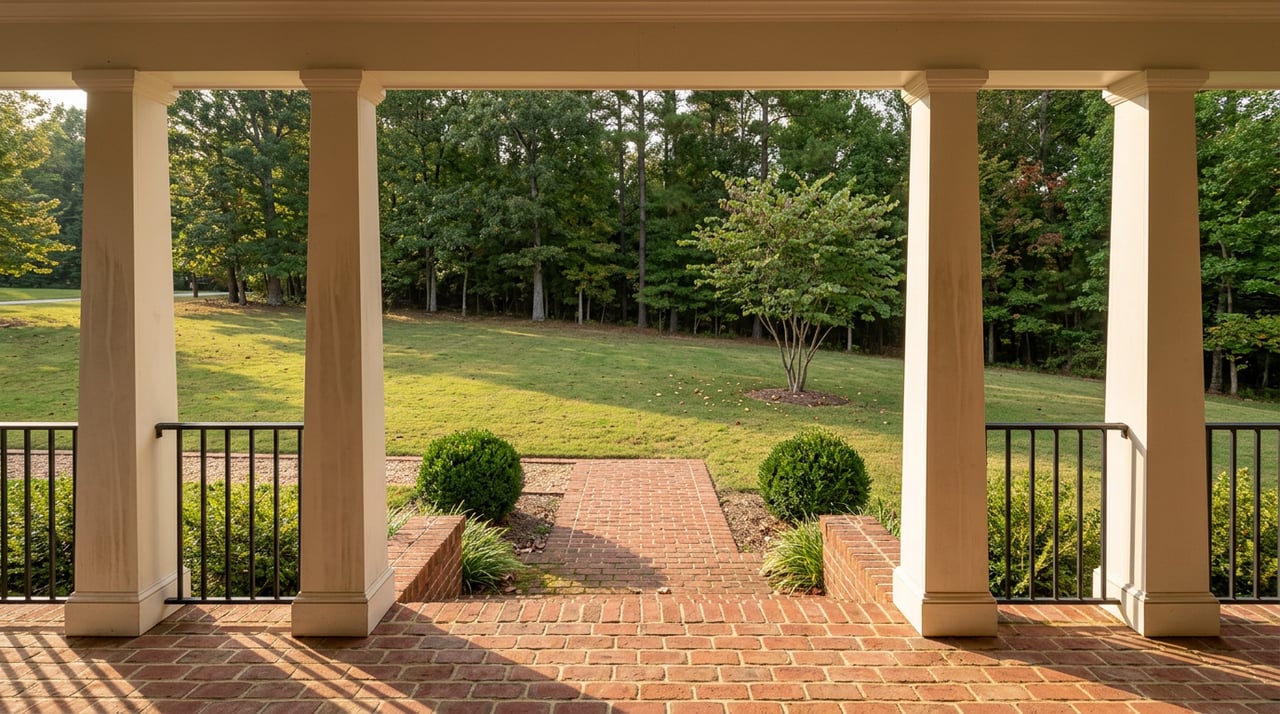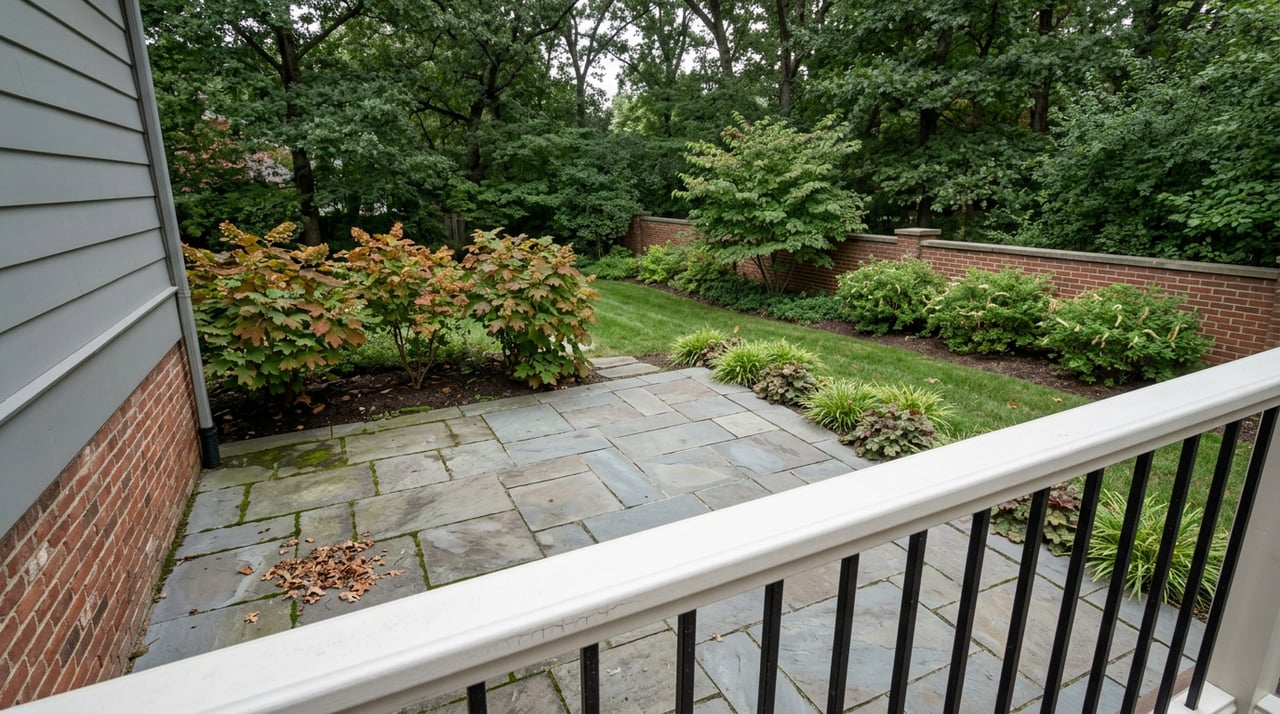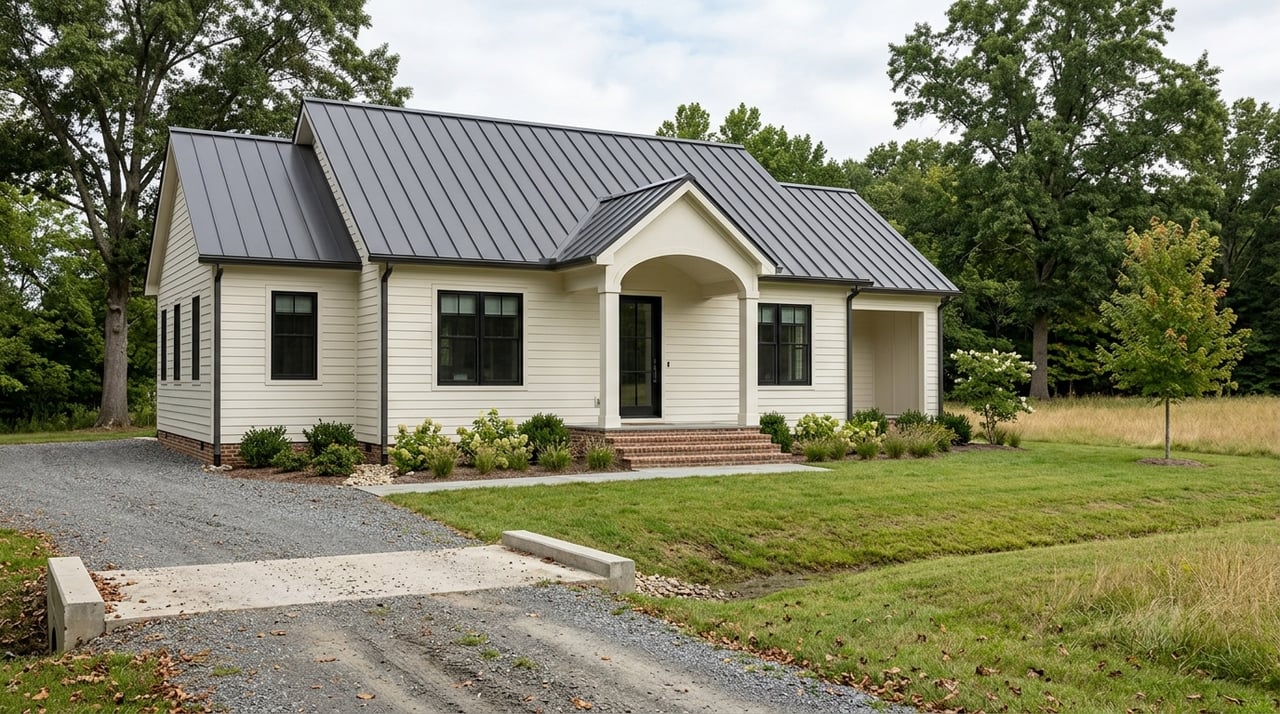
Dreaming of a home with a little elbow room in Blue Ridge? Small acreage can give you privacy, flexibility, and room to breathe, but it also comes with questions that do not always show up in a typical suburban home search. If you are thinking about buying in Botetourt County, it helps to understand how zoning, utilities, road access, and financing can affect both your day-to-day life and your long-term plans. Let’s dive in.
Why small acreage appeals in Blue Ridge
For many buyers, a small acreage home offers a different kind of lifestyle. You may want extra space for a garden, a workshop, storage buildings, or simply a little more distance between you and the next roofline.
In Blue Ridge and greater Botetourt County, that extra space can be a real advantage, but only if the property fits your goals. The details behind the land matter just as much as the house itself.
Zoning matters more than many buyers expect
In unincorporated Botetourt County, zoning should be verified before you make assumptions about what you can do with a property. The county says its GIS tools can help you check base zoning and floodplain status, and parcels may also have proffered conditions that affect use.
If a property is inside Buchanan, Fincastle, or Troutville, town rules apply instead of county rules. That distinction matters because the same home style or lot size may be governed differently depending on where the parcel sits.
Common zoning basics for acreage homes
County staff materials describe two districts buyers often encounter on acreage properties:
- A-1 zoning typically requires 2.25 acres and 150 feet of frontage
- RR zoning typically requires 1.5 acres and 125 feet of frontage
- Single-family residential use is allowed by right in both districts
These basics are helpful, but they are not the whole picture. If you want to add a barn, build an accessory structure, or divide land later, you need to confirm the current rules for that specific parcel.
Accessory buildings have placement rules
For A-1 parcels, county materials list accessory-building setbacks of 15 feet from side or rear lot lines, with no placement in the front yard. That may sound straightforward, but on a narrow or irregular lot, those limits can affect where a garage, shed, or other outbuilding can actually go.
This is one reason small acreage buyers should think beyond the current house. Your future plans need to fit the land as it is legally configured today.
Utilities can shape cost and convenience
One of the biggest differences between acreage homes and more in-town homes is the utility setup. In Botetourt County, properties may use public systems, private systems, or a combination of both.
County guidance says water and sewage treatment may be available through the Western Virginia Water Authority, private water systems, and town systems in Buchanan, Fincastle, and Troutville. WVWA systems also serve Eagle Rock and Glen Wilton. Broadband availability should be confirmed directly with service providers.
Well and septic deserve careful review
If a property uses a private well or onsite sewage system, ask for documentation early. The county directs buyers to the Health Department for perc testing and private wells, and Botetourt’s final inspection checklist requires a Well and Septic Operations Permit when applicable.
Virginia does not require a well inspection or water-quality test for a property transfer. Even so, local governments and lenders may require them, and many buyers choose to review the system carefully before closing.
What permits tell you
The Virginia Department of Health issues sewage disposal system construction permits and construction permits for drinking water wells. After inspection, a home with an onsite sewage system receives an operation permit, and that permit notes system capacity and any ongoing requirements.
That capacity matters. If you are buying a home with plans for future changes, you want to know whether the existing system supports the property as you intend to use it.
Some systems need ongoing maintenance
Certain alternative onsite sewage systems have continuing inspection and sampling requirements. VDH also recommends keeping septic maintenance records and using qualified service providers.
For buyers, that means the question is not just whether septic exists. You also want to know what kind of system it is, how it has been maintained, and whether there are ongoing service obligations.
Road access is a major due diligence item
A beautiful acreage property can feel a lot less simple once you start asking who maintains the road. In Botetourt County, VDOT maintains public roads, including maintenance and snow removal, but private roads are maintained by homeowners or associations, not the county or the state.
That difference can affect convenience, cost, and financing. It can also affect your expectations in bad weather or over time as road conditions change.
Public road versus private road
If the property is on a private road, the county advises owners to look to the deed or plat for maintenance responsibilities. Some homes are also served by access easements created for family subdivisions or older ordinances.
Before you move forward, make sure you understand:
- Whether the road is public or private
- Whether there is a recorded maintenance agreement
- Whether access is backed by an easement in the deed or plat
- Who pays for upkeep, grading, or repairs
Driveways may need permits
Private driveways in Botetourt require a VDOT permit. The private-entrance permit applies to access for no more than two private residences or agricultural access to fields.
If you are buying land with plans to change or add an entrance, access-management standards may apply before construction. It is much better to know that upfront than to discover it after closing.
Converting a private road is not simple
Some buyers assume a private road can later be taken into state maintenance. Botetourt says that conversion can be expensive and may require design, engineering, right-of-way acquisition, widening, paving, curb and gutter, and similar work.
In other words, do not count on an easy future upgrade. Buy based on the road situation as it exists now.
Floodplain and land restrictions should be checked early
County GIS can be used to check whether a parcel is in a floodplain. If the property is in a floodplain and the mortgage is federally backed, county guidance says flood insurance is required.
This is one of those details that can affect both monthly cost and lender approval. It is worth confirming early in the process, especially on properties near creeks, rivers, or low-lying ground.
Other restrictions can affect use
Some parcels may also be subject to conservation easements or proffered conditions. Conservation easements in Botetourt are voluntary and perpetual. They can preserve farming or forestry uses while still allowing sale or transfer, but the reserved rights depend on the specific easement agreement.
If you are hoping to add structures, change land use, or preserve future flexibility, these details matter. A property can be attractive on paper and still be a poor fit for your plans if restrictions are not understood.
Financing acreage homes can take extra review
Many small acreage homes are financeable, but rural underwriting often looks closely at the lot, the road, and the utility setup. That is why two homes with similar prices can have very different lending paths.
USDA notes that some programs require the home to be in an eligible rural area and the household to meet income guidelines. Its Guaranteed Loan Program can offer 100% financing with no down payment for qualifying buyers through approved lenders, while the Direct Loan Program serves low- and very-low-income borrowers.
Appraisal and collateral issues to know
Fannie Mae says the appraisal must reflect the actual size of the site, not a smaller hypothetical portion of the acreage. It also says the site should have competitive utilities and adequate vehicular access.
For homes without public water or sewer, community or private well and septic must be available and used. If a well or septic is private, it generally must be on-site unless there is a legally binding off-site access and maintenance agreement.
Private roads can affect lending
For privately maintained streets, Fannie Mae requires an adequate, legally enforceable maintenance agreement or covenant recorded in the land records. That is a big reason buyers should not treat road access as a minor detail.
If the paperwork is incomplete or unclear, it may create problems during underwriting even if the home itself is exactly what you want.
Multiple parcels add complexity
If a property includes more than one parcel, Fannie Mae says each parcel must be conveyed in its entirety, usually must adjoin, and must generally share the same basic zoning. The mortgage must be a valid first lien on each parcel, and the overall security property may contain only one dwelling unit.
That matters for buyers considering homes marketed with additional lots or land across a road. Parcel layout can affect financing, appraisal, and closing.
Future plans should guide your offer
A small acreage home can be a smart purchase, but the best choice depends on how you plan to use it. Before you make an offer, take time to match the property to your short-term and long-term goals.
A few smart questions to ask include:
- Is the property on public water, public sewer, private well, private septic, or a mix?
- Are permits, operation permits, and maintenance records available?
- Is the road public or private?
- Is there a recorded maintenance agreement or access easement?
- Is the parcel in a floodplain?
- Are there conservation easements, proffered conditions, or other land-use limits?
- If you want to subdivide later, does current zoning and Chapter 21 subdivision review allow it?
- Will your lender view the acreage, utilities, parcel setup, and road access as acceptable collateral?
These are the kinds of details that can protect you from surprises later. They can also help you negotiate with more confidence.
Why local guidance matters
Buying small acreage in Blue Ridge is not just about finding a home with a pretty view. It is about understanding how the land works, how the property is served, and whether it supports the life you want to build there.
That is where local, process-driven guidance makes a difference. When you have someone helping you connect zoning, utility records, access, and financing questions early, you can make a clearer and more confident decision.
If you are considering a small acreage home in Botetourt County, the team at Mac Westland Real Estate Group can help you evaluate the full picture and move forward with a plan that fits your goals.
FAQs
What should you check before buying a small acreage home in Botetourt County?
- You should confirm zoning, utility type, road access, floodplain status, and any easements or restrictions before making an offer.
How does zoning affect acreage homes in Botetourt County?
- Zoning affects minimum lot size, frontage, allowed uses, and whether future plans like adding buildings or subdividing may be possible.
Do small acreage homes in Blue Ridge always have well and septic systems?
- No. Some properties use public systems, some use private well and septic, and some may have a mixed setup depending on location.
Why does a private road matter when buying acreage in Botetourt County?
- A private road can affect maintenance costs, snow removal, access rights, and lender requirements for recorded maintenance agreements.
Can you finance a small acreage property in Botetourt County with conventional or USDA financing?
- In many cases, yes, but lender review may depend on the acreage, parcel layout, road access, utility setup, and program eligibility.
What is important to know about floodplains for Botetourt County acreage homes?
- You should check county GIS for floodplain location, because flood insurance may be required if the property is in a floodplain and the mortgage is federally backed.