Wondering whether life in Fincastle feels better on a town street or out on a few acres? If you are trying to choose between the historic in-town core and the surrounding Botetourt countryside, the right fit usually comes down to how you want to live day to day. This guide will help you compare lot sizes, home styles, utilities, zoning, and everyday routines so you can make a more confident move. Let’s dive in.
Fincastle offers two distinct settings
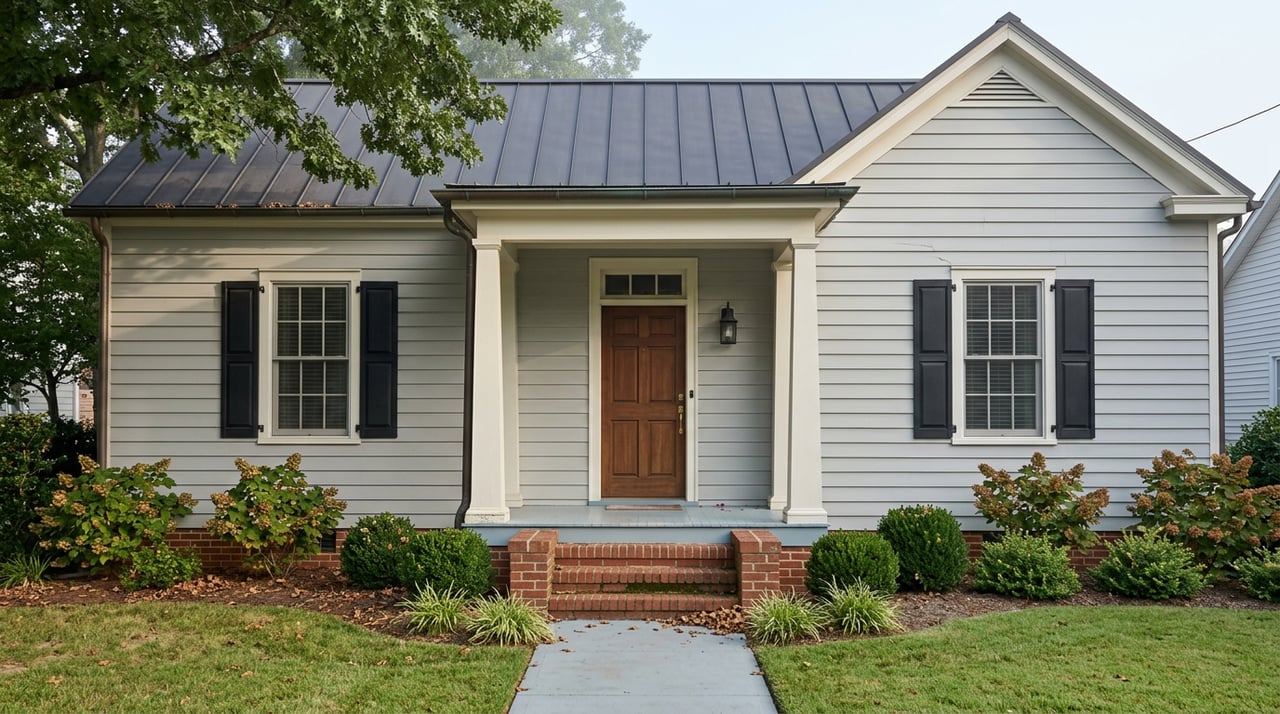
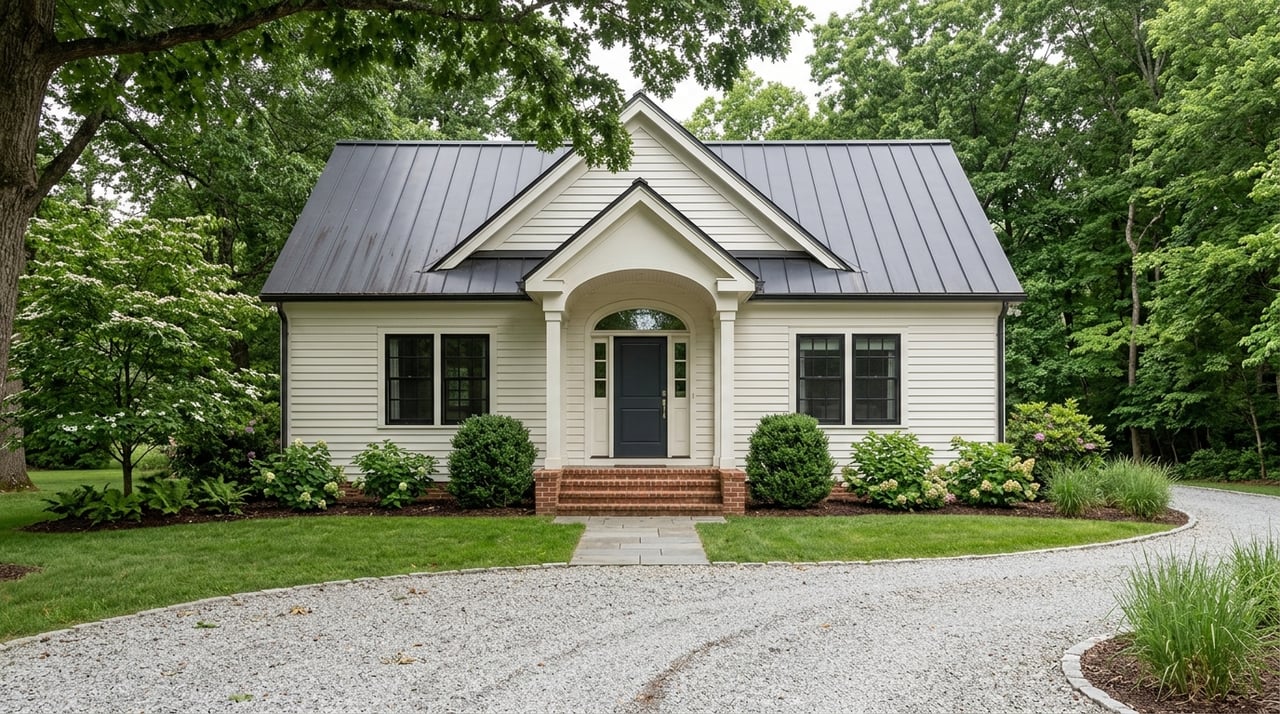
Fincastle gives you two very different living patterns within the same general area. In town, you will find a historic grid, smaller lots, and a more traditional village setting. Just outside town, the landscape opens quickly into rolling farmland, larger tracts, and a more spread-out feel.
That contrast is one of Fincastle’s biggest draws. You can choose a home with historic context and a compact setting, or you can look for more land and a quieter rural layout without moving far from town.
What in-town living looks like
Fincastle was incorporated in 1772 and remains the county seat of Botetourt County. The historic district was laid out as a grid by William Preston, and the area still includes weatherboarded log dwellings, three antebellum churches, restored homes, tree-lined streets, and mountain views amid rolling farmland.
If you are drawn to places with visible history, the in-town core offers that right away. The setting is often described as quaint and walkable in character, with self-guided and guided walking-tour options that reflect the town’s long-established layout.
Representative parcel cards in the Fincastle district show a pattern of roughly half-acre lots, paved road access, and public utilities listed as all. In practical terms, that often means a more compact homesite and a more town-style setup than what you will typically find beyond the incorporated limits.
What countryside living looks like
Outside the historic core, the scenery stays beautiful but the pattern changes fast. The same mountain backdrop remains, yet the setting opens into rolling farmland and larger rural tracts.
County zoning helps explain why the countryside feels more spread out. Botetourt County zoning examples show minimum lot sizes of 2.25 acres in A-1, 1.0 to 1.5 acres in RR depending on water and sewer availability, and 20,000 square feet in R-1.
Recent parcel cards around Fincastle show how wide that range can be. Nearby parcels include 2.533 acres, 9.859 acres, 15.002 acres, 53.88 acres, and even 608.59 acres, with some on paved roads and full utilities and others on unpaved roads with electric-only service.
That means the countryside is not one single lifestyle category. Some properties feel only slightly more spacious than town, while others offer a much more private and land-focused setup.
Town limits affect more than location
One of the most important differences is not visual at all. Inside the incorporated Town of Fincastle, zoning and subdivision questions are handled by the town rather than the county.
For you as a buyer, that means the town line can affect which rules apply and which offices you may work with. Botetourt County recommends using its GIS system to verify base zoning, which makes it especially important to confirm whether a property is inside town limits or in the county before you make plans based on land use or future changes.
Lot size and upkeep tradeoffs
Lot size often shapes your day-to-day experience more than buyers expect. In town, smaller lots can mean less exterior upkeep and a simpler maintenance routine.
In the countryside, more acreage can give you more privacy and more room for parking, gardens, pets, or outbuildings. At the same time, larger lots usually bring more driveway, lawn, and access-management responsibility.
If you are trying to decide between the two, think beyond square footage inside the house. The amount of land you maintain, drive across, or improve over time can have a major effect on how the property feels after move-in day.
Home styles you may see in town
The in-town historic fabric tends to lean older and more architectural. The district includes weatherboarded log dwellings, Greek Revival churches, and later civic architecture such as the late-Victorian jail.
County survey materials also note a broader mix that includes Queen Anne, Bungalow/Craftsman, Mid-19th Century, and vernacular Greek Revival resources. If you enjoy older character, established streetscapes, and homes with architectural detail, the historic core may feel like a strong fit.
With older homes, style and setting are often a major part of the appeal. Buyers who love history usually appreciate that the surroundings contribute to the overall experience, not just the house itself.
Home styles you may see in the countryside
The countryside offers a wider mix of house types and settings. County survey materials describe log, frame, and brick houses with weatherboard siding, center-passage plans, and other vernacular forms common on farms and rural roads.
More recent parcel records also show ranch, conventional, modular, and double-wide homes on larger parcels. That means rural living near Fincastle is not tied to one look or one type of property.
For many buyers, this opens up more choices. If your priority is land first and house style second, the countryside may give you more flexibility to match your budget and your long-term plans.
Daily routine matters more than you think
Your ideal setting often comes down to how you want ordinary days to work. If you value historic streets, smaller lots, and the ability to be close to town landmarks and services, in-town living may suit you better.
If you prefer privacy, acreage, and space for a more land-oriented lifestyle, the countryside may feel more natural. The right answer depends less on which option is better overall and more on which one supports your routine.
Fincastle is also still connected to the wider region for errands and commuting. One route guide places the Roanoke to Fincastle drive at about 29 minutes via US-220, and another places Fincastle to Troutville at about 15 minutes, though exact travel times will vary by address and route.
A simple way to choose
If you are deciding between in-town Fincastle and the surrounding countryside, ask yourself a few clear questions:
- Do you want to be near town landmarks and services, or are you comfortable driving most places?
- Would you rather have a smaller lot with simpler upkeep, or more acreage with more maintenance responsibility?
- Is public utility access important to you?
- Do you want space for gardens, animals, parking, or outbuildings?
- Are you drawn to historic character, or do you want a wider mix of home types and land sizes?
Those questions line up closely with the differences shown in local parcel records, zoning patterns, and the historic layout of Fincastle itself. When you answer them honestly, your best-fit setting usually becomes much clearer.
Why local guidance helps
In a market like Fincastle, the differences between two properties can be larger than the map suggests. A home just inside town limits may involve a different zoning process, lot pattern, road access, and utility setup than one only a short drive away.
That is why local, property-level guidance matters. When you compare homes with a clear understanding of parcel size, utility pattern, access, and setting, you can make a choice that supports both your lifestyle and your long-term goals.
Whether you are leaning toward a historic home in the grid of town or acreage in the surrounding hills, a good plan starts with asking the right questions early. If you want help comparing options around Fincastle and Botetourt County, connect with Mac Westland Real Estate Group for clear, local guidance and a personalized plan.
FAQs
What is the difference between in-town Fincastle and the surrounding countryside?
- In-town Fincastle generally offers a historic grid layout, smaller lots, paved access, and public utilities, while the surrounding countryside typically offers larger parcels, a wider range of utility setups, and a more spread-out rural setting.
What are typical lot sizes near Fincastle, Virginia?
- Representative in-town parcel cards show roughly half-acre lots, while nearby countryside parcels range from about 2.533 acres to more than 600 acres, depending on the property.
Who handles zoning for properties in Fincastle, Virginia?
- Properties inside the incorporated Town of Fincastle fall under the town for zoning and subdivision questions, while properties outside town limits are handled through Botetourt County.
What home styles can you find in Fincastle, Virginia?
- In town, you are more likely to see historic and architectural styles tied to the district’s older fabric, while the surrounding countryside includes vernacular farmhouses as well as ranch, conventional, modular, and double-wide homes on larger parcels.
Is rural living near Fincastle always very remote?
- No. The countryside around Fincastle includes a wide range of parcel sizes and access conditions, so some rural properties are relatively close to town while others are much larger and more secluded.
How far is Fincastle from Roanoke and Troutville?
- Route guides place the drive from Roanoke to Fincastle at about 29 minutes and Fincastle to Troutville at about 15 minutes, though actual travel time depends on the exact property and route.