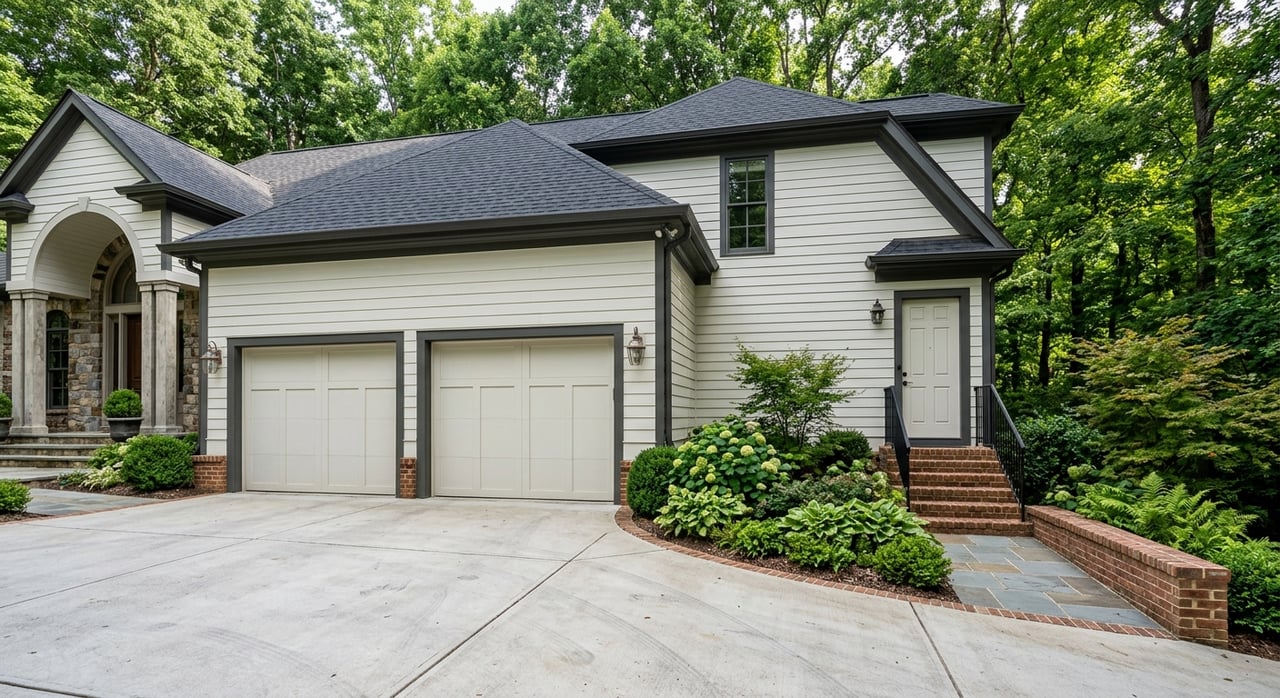
You keep seeing HOA or POA on Cave Spring listings and wonder what it means for your budget and day‑to‑day life. That’s a smart question. The way a community is governed affects fees, rules, maintenance, and even your resale value. In this guide, you’ll learn how HOAs and POAs differ in Virginia, what to review before you buy, and the local steps that help you make a confident choice. Let’s dive in.
HOA vs POA at a glance
Plain language difference
You will hear HOA and POA used interchangeably. In practice, an HOA usually governs a residential neighborhood, while a POA can cover a broader planned development or master association that includes multiple property types. The label is less important than the recorded declaration and bylaws. Those documents set your obligations, fees, and enforcement rules.
Virginia legal context
Most associations here are nonprofit corporations with authority that comes from recorded covenants and state law. You can search applicable statutes using the Virginia Legislative Information System. Start with the Code of Virginia search page to review association laws and remedies in plain text at the Virginia Legislative Information System. For consumer‑friendly guidance on what to ask before you buy into an association, the Community Associations Institute publishes helpful overviews and checklists.
How governance works
Boards and managers
Owners elect a board of directors that sets budgets and rules and hires vendors. Some communities are self‑managed by volunteers. Others hire a professional management company to handle daily operations, accounting, and maintenance. The management setup influences service levels and costs.
Membership and voting
Membership is typically mandatory for owners in the subdivision or condo regime. Your voting rights, transfer process, and obligations are defined in the declaration and bylaws. Read these to understand how rules are created or changed and how assessments are approved.
What fees cover and why they vary
Regular and special assessments
Regular assessments fund operations, landscaping, common‑area utilities, insurance premiums, and management. If reserves are not adequate for major repairs, the board can levy a special assessment. Fees vary by community size, amenities, and maintenance scope, so compare line items across the last few budgets.
Reserves and studies
A portion of dues should go into reserves for big items like roofs, paving, or pool systems. Ask for the most recent reserve study and current reserve balance. Underfunded reserves increase the risk of future special assessments, which can affect both affordability and resale appeal.
Transfer and other charges
Expect closing‑related fees for resale certificates or estoppel letters and document preparation. Communities may also charge fines or late fees for violations or delinquent assessments. Confirm all current fees with the association or manager before you finalize your budget.
Rules that shape daily life
Architecture and maintenance
Most associations regulate exterior standards to keep the neighborhood consistent. Architectural review commonly covers additions, fences, sheds, and paint colors. Maintenance rules often spell out lawn care, trash, and exterior upkeep.
Use and rental policies
Check parking and vehicle storage rules, home‑based business restrictions, and signage policies. Some associations limit short‑term rentals or cap the percentage of rental homes. These provisions can influence your flexibility as an owner and future buyer demand.
Enforcement basics
Declarations typically outline notice and cure steps, fines, suspension of privileges, liens, and sometimes foreclosure. The specific process depends on the recorded documents and state law. Ask for recent board meeting minutes to see how enforcement works in practice.
Due‑diligence checklist for Cave Spring buyers
Request these items early in your contract contingency period and review them carefully:
- Declaration of Covenants, Conditions and Restrictions and any master declaration
- Membership obligations, assessment formulas, amendment procedures, and maintenance responsibilities.
- Bylaws and Articles of Incorporation
- Board powers, election and quorum rules, special voting thresholds.
- Rules and Regulations
- Day‑to‑day policies for parking, pets, rentals, exterior changes, and satellite dishes.
- Current year budget and recent operating budgets
- Revenue sources, major expenses, and trends.
- Financial statements and bank balances
- Operating and reserve fund balances and any audits or reviews.
- Most recent reserve study
- Recommended funding level and percent funded.
- Board and annual meeting minutes for the past year
- Planned projects, disputes, assessments, and contract renewals.
- Resale certificate or estoppel letter
- Confirms assessments, balances due, and obligations.
- Insurance declarations and master policy
- What the association insures and current deductibles.
- Management contract
- Fees, services, and termination terms if professionally managed.
- Architectural guidelines and approval process
- Submittal requirements and typical turnaround time.
- Litigation disclosures
- Any pending association or developer disputes.
- Occupancy mix
- Owner versus renter percentages that may affect financing.
- Plats, easements, and maintenance agreements
- Responsibility for private roads, stormwater, and common infrastructure.
Use the Roanoke County official site to locate recorded plats, subdivision plans, zoning, and permit records, or to find links to the Clerk/Circuit Court for recorded declarations. For consumer education on community associations and resale packages, the Community Associations Institute is a good reference. You can also review relevant statutes at the Virginia Legislative Information System.
Local steps and contacts
- Ask the listing agent or seller to order the association’s resale or estoppel package early. Timelines and fees vary by community.
- Use your title company and the county land records to confirm the recorded declaration and any amendments.
- Contact the association or its management company to verify current dues, insurance deductibles, and any approved projects.
- Check Roanoke County planning records for private road maintenance agreements, stormwater responsibilities, and pending development near the community through the Roanoke County website.
- Consult a Virginia real estate attorney if you need help interpreting enforcement powers, lien rights, or complex covenants. You can search relevant statutes on the Virginia LIS site.
Red flags to watch
- No reserve study or very low reserves relative to capital needs.
- Frequent or large special assessments over the past several years.
- High delinquency rates or ongoing collection litigation.
- Active lawsuits involving structural defects, developer disputes, or significant contractor claims.
- Vague or unusually broad enforcement or amendment powers.
- Limited insurance coverage for common elements or very high deductibles that can be assessed to owners.
- Unclear maintenance responsibility for big items like roofs, exterior walls, or private roads.
- Governance issues such as inconsistent enforcement or rapid turnover of vendors and managers.
Resale impact in Cave Spring
Stable governance and well‑funded reserves tend to support stronger resale values. Buyers and lenders look for predictable dues, clear maintenance responsibilities, and consistent standards. Communities that keep common areas in good condition and enforce reasonable rules usually attract a wider buyer pool.
On the other hand, underfunded reserves, repeated special assessments, strict rental bans, or opaque decision‑making can reduce marketability. Clear documentation, transparent budgets, and timely resale certificates help your future buyer feel confident and keep closings on track.
Work with a local guide
If you are deciding between a home inside or outside an association, the right plan is to price the full picture. Review governing documents, confirm total monthly costs, and make sure the rules fit your lifestyle. If you want help gathering documents, reading the key pages, and coordinating with local records and managers, connect with the team at Mac Westland Real Estate Group for a no‑pressure, step‑by‑step approach.
FAQs
What is the difference between an HOA and a POA in Virginia?
- An HOA usually governs a residential community, while a POA can manage a broader or master development, but your rights and obligations come from the recorded declaration and bylaws rather than the label.
What fees should I expect in a Cave Spring HOA or POA?
- Regular assessments fund operations and reserves, and you may see special assessments, transfer fees, and fines; amounts vary by amenities and maintenance scope, so verify current figures with the association.
Where can I find HOA or POA documents for a Roanoke County property?
- Use the Roanoke County official site to locate recorded land records and planning information, and request the community’s resale or estoppel package through the seller or association.
How do rental restrictions affect financing and resale?
- Caps on rentals can reduce investor demand and may affect loan programs, while clear, consistent rules can appeal to owner‑occupants and support marketability; review the declaration and resale certificate for current limits.
What is a resale certificate or estoppel letter?
- It is an association disclosure that confirms dues, balances, rules, and obligations for the property at closing, and it helps you and your lender verify costs and compliance before you finalize the purchase.
Which documents matter most during my contingency period?
- Prioritize the declaration, bylaws, budget, reserve study, meeting minutes, insurance summary, and the resale certificate to understand costs, rules, and upcoming projects before you remove contingencies.