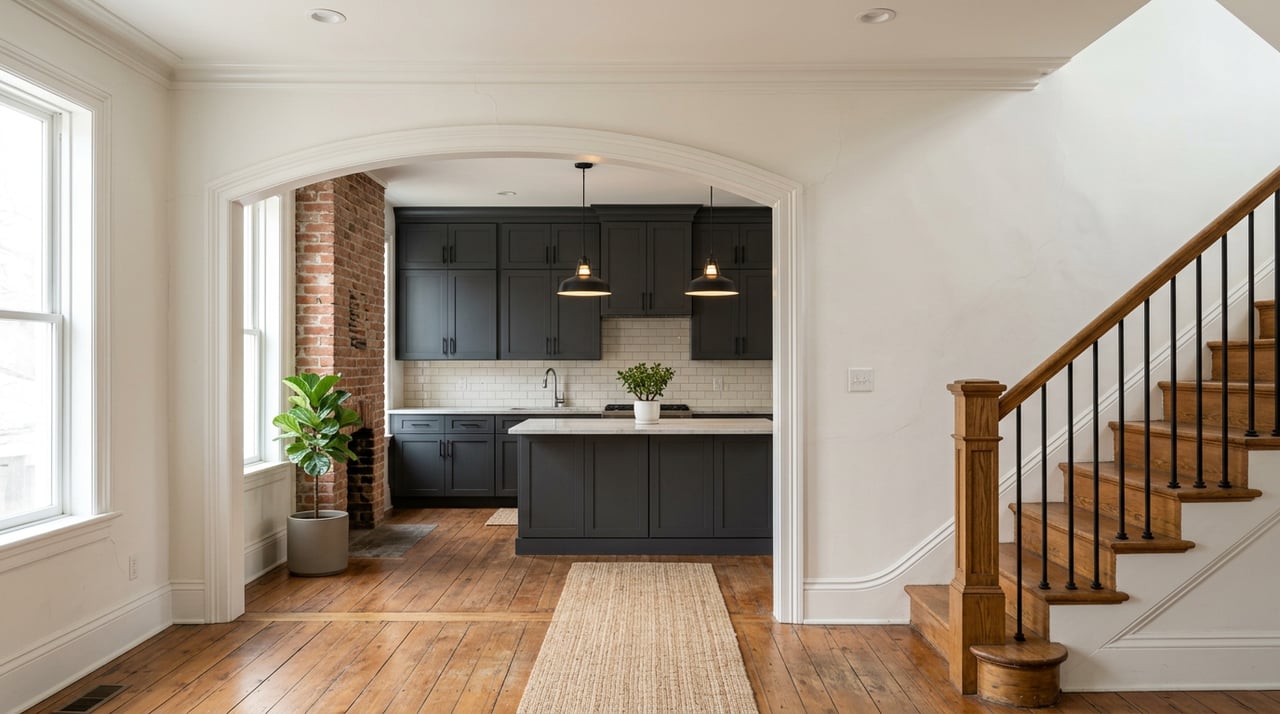
Imagine stepping out your front door and strolling to coffee, a bookstore, or a campus landmark in a few minutes. If you’re drawn to classic architecture, small‑town Main Street energy, and the convenience of Washington & Lee University and VMI nearby, downtown Lexington can make daily life feel effortless. In this guide, you’ll learn what homes really cost near the historic core, how design review works, what to inspect in older houses, and how to plan a renovation budget with eyes wide open. Let’s dive in.
Why buyers choose downtown Lexington
Living near Main Street puts you close to shops, dining, galleries, and year‑round events. Many addresses within the core are walkable for daily errands, and Walk Score’s snapshots for downtown blocks often rate them as Very Walkable. You can get to restaurants, local services, and campus edges without getting in the car.
Washington & Lee and VMI border the town center, so you can walk from many in‑town streets to campus landmarks in minutes. That proximity draws faculty and staff, investor‑owners with student‑rental goals, and anyone who values a compact, historic setting with amenities close by.
Nearby trail access, including the Chessie Nature Trail and riverfront segments by Jordan’s Point, adds outdoor options without leaving town. If you like a quick run or dog walk before dinner, the setting supports that routine.
Historic district basics you should know
Downtown Lexington’s historic core is part of the Lexington Historic District, which is listed on the National Register of Historic Places and documented by the Virginia Department of Historic Resources. The listing highlights the district’s 19th‑century architecture and the role of nearby campuses in its context. You can review the official district background through the Virginia DHR’s Lexington Historic District materials.
Inside the city’s Downtown Historic Preservation District, the Architectural Review Board (ARB) reviews exterior changes. That includes additions, new construction, exterior remodels, demolition, storefronts, porches, fences, and some site features. Most exterior work requires a Certificate of Appropriateness before permits are issued. Expect guidelines on materials, window and door proportions, and rooflines. Start with the city’s Architectural Review Board and Historic District Design Guidelines to understand the process and timelines.
What homes cost near the core
Lexington is a small, low‑inventory market, so public price metrics can swing month to month. Indexes and medians from different sites may conflict because they measure different things and often reflect very few recent sales. Downtown sales also span a wide range of property types and conditions.
In practical terms, you’ll find an in‑town range from the low‑$200,000s for smaller or “fixer” properties to $1 million and above for larger, well‑restored historic homes on or near Main Street. For example, the Boude‑Deaver House at 406 S Main Street, a Gothic Revival landmark, sold near $1.0 million in mid‑2025. At the same time, nearby Victorian or early 20th‑century homes often trade in the $400,000 to $600,000 range, and smaller cottages can list well below that depending on condition.
The takeaway: budget by street and by property condition, not just citywide averages. If you want the most current view, ask your agent to pull hyper‑local comps and trend lines for the exact blocks you prefer.
Rules on projects, ADUs, and short‑term rentals
Before you plan a porch rebuild or a new accessory unit, map out the rules that apply on your specific parcel.
- ARB design review and COA. Most exterior work inside the historic district needs a Certificate of Appropriateness first. Read the city’s ARB guidelines and process page to see how materials and design details are evaluated.
- Zoning and ADUs. The zoning ordinance sets where accessory dwelling units are permitted and how big they can be. Parking, setbacks, and design standards apply, and ARB review may be required in residential historic districts. Check the City of Lexington zoning ordinance for permitted uses and standards.
- Short‑term rentals. If you plan to operate an Airbnb or VRBO, you must register with the city, follow zoning rules for your district, and collect and remit the 8% transient occupancy tax. Start with the city’s transient occupancy tax and STR registration guidance.
- Safety and code for rentals or mixed use. Converting older buildings to multi‑unit or commercial use can trigger life‑safety upgrades such as egress, alarms, or sprinklers. Talk with Building Inspections early if your plans change how the building is used.
What to inspect in older Lexington homes
Older homes deliver character, but they also come with systems that need careful review. Common findings include:
- Electrical. Knob‑and‑tube or ungrounded outlets, undersized service panels, and missing GFCI/AFCI protection. You may need partial or full rewiring. See typical defects in InterNACHI’s guidance on older buildings.
- Plumbing and sewer. Galvanized supply lines, cast‑iron drains, or aging sewer laterals. Plan a sewer camera inspection to avoid surprises.
- Hazardous materials. Lead‑based paint is common in pre‑1978 homes. Asbestos may be present in some insulation, tiles, or mastics. Testing and licensed abatement are required when disturbed.
- Roof and water management. Failing roof coverings, flashing issues, and poor grading can drive moisture into basements and crawlspaces.
- Foundations and moisture. Stone or brick foundations may show mortar deterioration. Drainage improvements and structural repairs can be significant budget items.
- Termites and wood‑destroying insects. Subterranean termites are present in Virginia. A WDI inspection is standard. The Virginia Cooperative Extension offers guidance on prevention and treatment.
Recommended inspections to include in your offer: a full home inspection by an ASHI or InterNACHI credentialed inspector, a WDI report, a sewer lateral camera, and specialist evaluations for HVAC, boilers, and chimneys. For pre‑1978 homes or planned renovations, include lead‑paint and asbestos assessments before you open walls or disturb finishes.
Renovation budgets and incentives
Historic‑district work can cost more per square foot because of materials, technique, and review requirements. Build a contingency of 10 to 25 percent, especially if you expect to open walls or repair foundations.
Typical midrange national cost guidance can help you sketch a plan. Local bids will vary:
- Electrical rewiring: roughly a few thousand dollars for smaller homes to tens of thousands for larger historic houses.
- HVAC replacement: often in the mid four to low five figures depending on system type.
- Roof replacement: from mid four to low five figures, with slate, standing‑seam metal, or other historic materials driving higher costs.
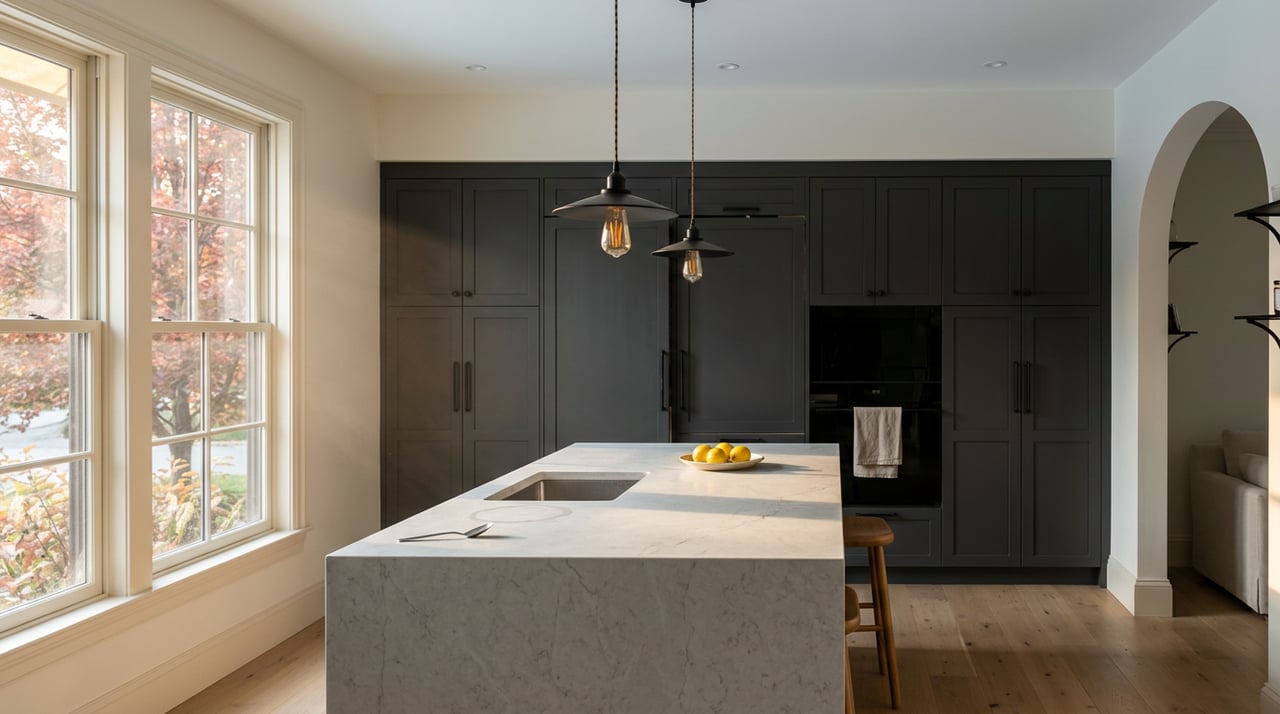
- Kitchen updates: mid‑range projects often land in the mid five figures; scope and finishes drive totals.
- Bath updates: commonly in the low to mid five figures.
- Window projects: whole‑house replacements can be expensive, and true historic wood units or custom profiles cost more than vinyl.
If you plan a qualifying rehabilitation, Virginia offers a State Historic Rehabilitation Tax Credit, and the federal program applies to certified income‑producing projects. Learn more through the Virginia DHR tax credit program and the National Park Service overview of the federal historic tax credit. Talk with DHR before you start work and consult a tax advisor to confirm eligibility and documentation.
Quick buyer checklist for downtown parcels
Use this list before you write an offer:
- Confirm zoning and whether the property sits inside the Downtown Historic Preservation District. Ask for ARB Certificate of Appropriateness history and any open violations.
- Request permit history for building, electrical, and plumbing. Review any recent COA approvals.
- Order a home inspection, WDI report, and sewer camera. Choose an inspector experienced with older properties.
- For pre‑1978 homes, line up lead‑paint and asbestos assessments before demo or surface disturbance.
- Check flood risk using the FEMA Flood Map Service Center. If in a special flood hazard area, ask for elevation certificates and insurance quotes.
- If you plan short‑term rentals, confirm eligibility, register with the city, and budget for the 8% transient occupancy tax.
- If you want historic tax credits, contact Virginia DHR about the application steps before you begin work.
- Get at least two local contractor estimates for major systems and consider specialists who work with historic materials.
Next steps
Buying near downtown Lexington is about more than curb appeal. When you understand the historic rules, the likely inspection findings, and the real costs to update older systems, you can plan with confidence and enjoy the walkable, campus‑adjacent lifestyle that draws so many buyers here.
If you want a clear plan for your search, a pricing reality check by street, or help vetting a property’s renovation potential, schedule a conversation with the Mac Westland Real Estate Group. We will walk you through the process and help you move forward with confidence.
FAQs
How close are homes to W&L and VMI?
- Many downtown streets are within a short walk of both campuses, with Main Street adjacent to campus edges.
Do I need approval to change windows or siding?
- If the home is in the Downtown Historic Preservation District, exterior changes generally require ARB review and a Certificate of Appropriateness.
Can I run a short‑term rental near the historic core?
- Possibly. You must register with the city, follow zoning and occupancy limits for your district, and collect and remit the 8% transient occupancy tax.
What inspections are essential for older Lexington houses?
- A full home inspection, WDI report, sewer camera, and evaluations of electrical, HVAC, and roofing. Add lead and asbestos testing for pre‑1978 homes.
How much should I budget for unexpected repairs?
- Plan a 10 to 25 percent contingency above contractor estimates, leaning higher if you anticipate structural repairs or hazardous‑materials abatement.