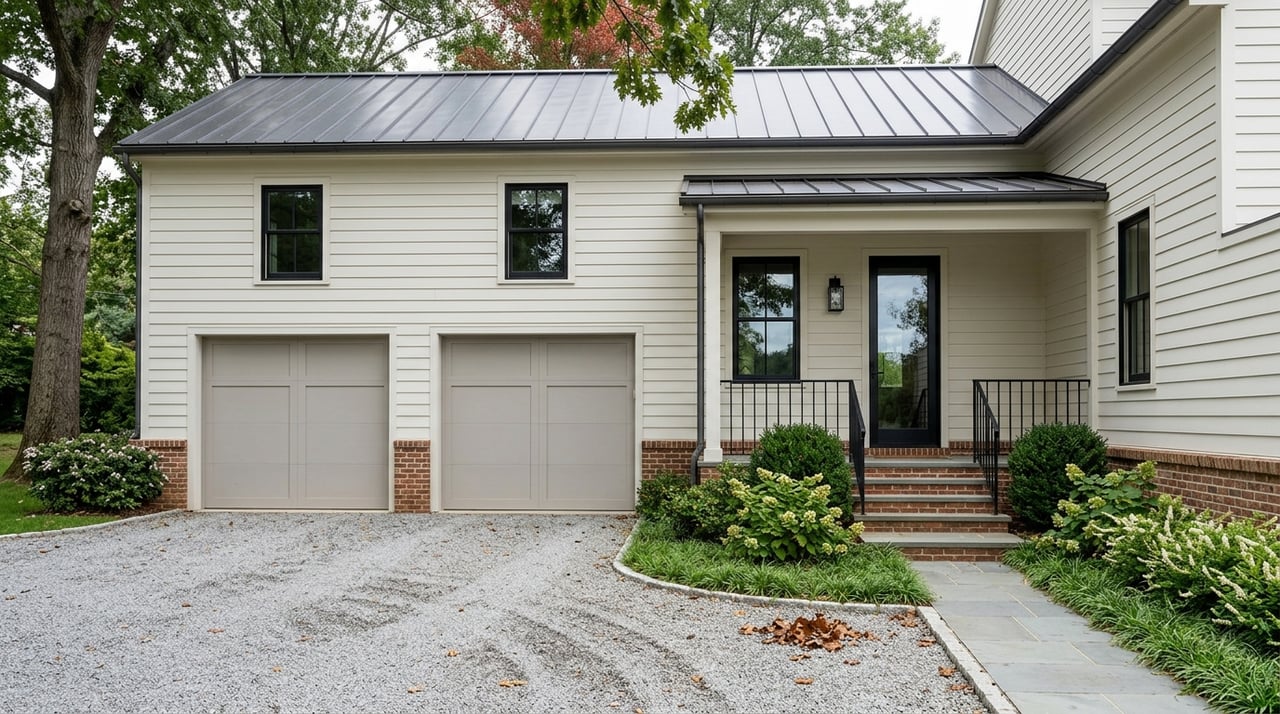
Selling a home in Fincastle can feel straightforward until the details start stacking up. If your property has age, acreage, outbuildings, a well, a septic system, or ties to the town’s historic character, buyers will likely have questions, and the way you prepare can shape both confidence and offers. The good news is that with the right plan, you can reduce surprises, present your home well, and move forward with clarity. Let’s dive in.
Know What Makes Fincastle Different
Fincastle is not a one-size-fits-all market. As the county seat of Botetourt County, it has deep roots dating back to 1772, and county history notes that many structures in town date to the late 1770s. The area is also known for a historic district with well-preserved 19th-century architecture, which means older-home materials, prior repairs, and local approval questions can matter more here than in a newer subdivision.
That local context affects how buyers view risk. A charming older home may attract strong interest, but buyers often want more documentation and more clarity before they commit. If your home is in or near Fincastle’s historic core, confidence starts with preparation, not guesswork.
Price With Discipline
One of the biggest mistakes sellers make is pricing based on hope instead of market behavior. Recent housing snapshots showed median prices ranging from about $390,475 countywide in Botetourt County to about $564,500 in Fincastle’s 24090 ZIP code, with median days on market running roughly 56 to 96 days and sale-to-list ratios around 96% to 99%, according to recent market data for the area.
What does that mean for you? It means buyers are still paying close to asking price in many cases, but not usually for homes that are overpriced from the start. A realistic launch price, backed by local strategy and strong presentation, often creates more momentum than testing the market with an aggressive number.
Focus on the Issues Buyers Notice First
In Fincastle, buyers are not just evaluating your square footage and finishes. They are often looking at the full property, including the house, the land, the systems, and the records that help explain everything clearly. That is especially true for older or semi-rural homes.
Virginia’s disclosure framework puts a lot of responsibility on buyers to investigate property condition, lot lines, flood-hazard areas, historic-district effects, adjacent parcels, and more under the Virginia Residential Property Disclosure Act. For you as a seller, that makes visible upkeep and organized documentation especially valuable.
Start With Curb Appeal and Access
You do not need a full renovation to make a strong first impression. In many Fincastle-area sales, buyers respond well to a property that feels cared for, easy to understand, and easy to walk.
Before listing, pay close attention to:
- Driveways and parking areas
- Fences and gates
- Tree lines and overgrowth
- Culverts and drainage paths
- Low or muddy spots in the yard
- Outbuildings, sheds, and barn exteriors
- Clear entry points to the home and land
These details can influence buyer confidence just as much as a fresh coat of paint inside.
Make the Home Feel Well Maintained
Buyers tend to get nervous when they see signs of deferred maintenance. If you can address small issues before listing, you may prevent bigger objections during negotiations.
Focus on the basics first:
- Touch up peeling paint where needed
- Replace burned-out bulbs
- Repair loose handrails or steps
- Clean gutters and visible drainage areas
- Service systems if records are available
- Deep clean the home and reduce clutter
Simple improvements help buyers focus on the property’s value instead of its to-do list.
Gather Records Before You Go Live
If you want to sell with confidence, documentation matters. In a market like Fincastle, records can help answer buyer questions early and reduce uncertainty once your home is under contract.
Virginia law notes that buyers should investigate issues such as lot lines, adjacent parcels, and historic-district effects, among others. That means any documents you already have can be useful, especially if they help explain what the buyer is seeing on site.
Helpful items may include:
- Survey or plat documents
- Boundary or easement information
- Utility account or service information
- Receipts for major repairs or updates
- Permits or records tied to exterior changes
- Manuals or service records for major systems
- Documentation related to outbuildings or additions
You are not trying to overpromise. You are trying to make the property easier to understand.
Confirm Water and Sewer Details
One of the most important early steps is confirming how your property is served. According to Botetourt County utility information, water and sewage treatment in the county may come from the Western Virginia Water Authority, private systems, or municipal systems in Buchanan, Fincastle, and Troutville.
That means buyers may ask whether your property is on public utilities, a municipal system, or private well and septic. You want a clear answer before your home hits the market. If there is any uncertainty, it is worth sorting out early rather than trying to solve it while under contract.
If You Have a Well
The Virginia Department of Health says it does not require a well inspection or water test simply because a home is being sold, but local governments and lenders may require them during a transaction. VDH also notes that local health departments keep well records, though records from before 1990 may be missing and records from 1990 to 2003 are often paper files, based on its real estate transfer guidance.
If your property has a well, it is smart to locate any available records before listing. If a lender later orders testing, VDH says many lenders require at least bacteria, nitrate, and lead testing. Even when testing is not required upfront, knowing what records exist can help keep the deal moving.
If You Have a Septic System
VDH also says it does not require septic work simply because a property is being sold, but it recommends gathering records and, when useful, getting an inspection well before closing. According to VDH’s guidance on homes with onsite wastewater systems, a strong packet can include the septic permit or operation permit, tank size or design capacity, as-built drawing, operation and maintenance manual, maintenance reports, and pump-out history.
Timing matters here. VDH recommends septic inspections several weeks before closing because repairs or permit updates can take time. It also notes that if a home’s bedroom count or planned renovation exceeds the system’s design capacity, the system may need modification or replacement.
Prepare for Historic-Home Questions
Because Fincastle has a long history and a notable historic core, buyers may ask more detailed questions about older homes. They may want to know about exterior materials, prior updates, or whether earlier changes were completed with local approvals where needed.
You do not need to have every answer from memory. You do want to gather whatever documentation you can and present it clearly. That could include repair invoices, notes about replacement materials, permit history, or records tied to exterior work.
Keep Your Answers Clear and Factual
When discussing an older property, stick to what you know and what you can document. Avoid guessing about dates, materials, or approvals. Clear, factual communication builds more trust than broad reassurances.
This is one reason sellers benefit from a process-driven listing approach. Good preparation helps you answer questions calmly, avoid overstatements, and keep negotiations grounded in facts.
Understand Virginia Disclosure Rules
Virginia is largely a buyer-beware state, which surprises many sellers. The state’s disclosure framework says sellers generally make no representations about many aspects of the property, including condition, wastewater systems, flood hazard areas, historic-district effects, lot lines, and adjacent parcels, with separate disclosures applying in some situations. The Virginia Department of Professional and Occupational Regulation notes that the Residential Property Disclosure Statement is effective July 1, 2025.
Just as important, the law requires the seller to notify the purchaser of required disclosures before the purchase contract is ratified. Under the Virginia Residential Property Disclosure Act, disclosure management is a core part of the sale process, not something to handle at the last minute.
Why Process Matters During Your Sale
A confident sale usually comes down to fewer surprises, better timing, and stronger communication. That is especially true when your property includes land features, private utilities, or older construction.
A well-managed listing process can help you:
- Organize disclosures early
- Gather county or health-department records
- Identify questions buyers may raise
- Coordinate inspections on a workable timeline
- Respond to repair requests or credits with a plan
- Keep the transaction moving toward closing
That kind of support matters in any market, but it matters even more when documentation can influence buyer confidence.
A Smart Seller Checklist for Fincastle
If you want a simple place to start, focus on these steps before listing:
- Review your pricing strategy based on current market conditions.
- Clean and declutter the house, porches, and outbuildings.
- Address visible maintenance issues such as drainage, lighting, and minor repairs.
- Confirm your utility setup so you know whether the home is on public service, municipal service, or private systems.
- Gather well or septic records if the property uses private systems.
- Locate survey, plat, or boundary documents if available.
- Pull together repair and permit records for older homes or major improvements.
- Plan disclosures early so you are not rushing once an offer comes in.
Selling your home should not feel like reacting to one surprise after another. With the right preparation, you can go to market with a clear strategy and a lot more peace of mind.
If you are thinking about selling in Fincastle, Mac Westland Real Estate Group can help you build a practical plan, prepare your home for the market, and move forward with steady, local guidance.
FAQs
What should you do before listing a home in Fincastle?
- Start with pricing, visible maintenance, cleaning, and documentation. In Fincastle, it is also important to confirm utility details, gather any available survey or boundary records, and organize well or septic information if the property has private systems.
How does Virginia property disclosure affect a Fincastle home sale?
- Virginia’s disclosure system is largely buyer-beware, but sellers still must provide required disclosures before contract ratification. In practice, that means early disclosure planning is important so the transaction does not get delayed.
What well records matter when selling a Fincastle-area property?
- If your home has a well, try to gather any available local health department records before listing. VDH says records may vary by age, and lenders may require testing for items such as bacteria, nitrate, and lead.
What septic documents help when selling a home in Botetourt County?
- Helpful documents can include the septic permit or operation permit, design capacity, as-built drawing, operation and maintenance materials, maintenance reports, and pump-out history.
Why do older homes in Fincastle need extra preparation before sale?
- Fincastle’s historic character can lead buyers to ask more questions about repairs, materials, and prior alterations. Good records and clear communication can make those conversations much easier.
How should you price a home for sale in Fincastle?
- Recent local data suggests pricing discipline matters. A realistic price supported by market conditions and strong preparation is often more effective than launching high and hoping buyers stretch.