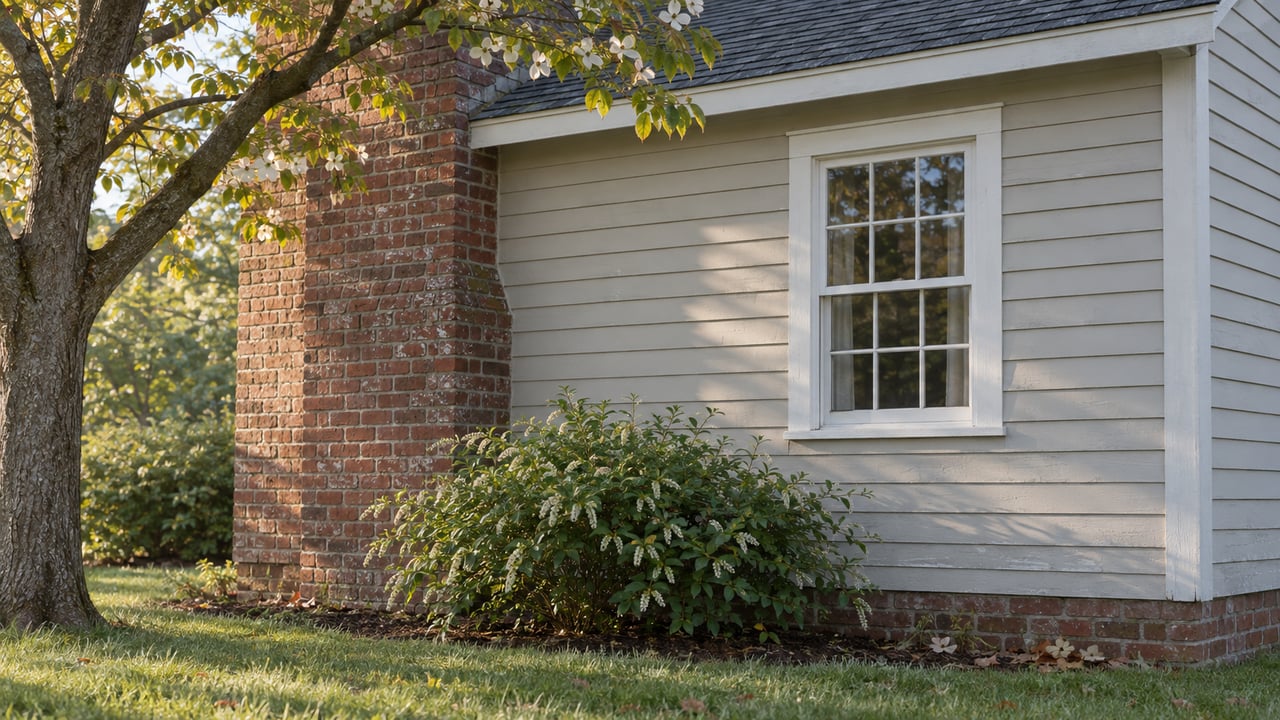
A 768-square-foot house on Sweetbrier Avenue in Grandin Court, built in 1951, recently sold as a starter home on a 7,505-square-foot lot. A short walk away in Raleigh Court, a remodeled century-old American Foursquare can list for double that price, on a comparable lot, an equally short walk to the same theater marquee and the same Saturday morning coffee line. Same destination. Same sidewalk. Very different number on the sign.
That gap is worth understanding before you fall in love with a listing based on its walk score alone, because the walk isn't what's setting the price.
The Walk Is the Same Walk
Grandin Village sits on the border between these two neighborhoods, and both guides to the area point to the identical short list of anchors: the Grandin Theatre, Scratch Biscuit Company, Taaza India Cuisine, Pop's Ice Cream and Soda Bar, and the Saturday farmers market. Shrine Hill Park, with its tennis courts and soccer field, gets claimed by both neighborhoods in their own marketing because it genuinely sits close enough to serve residents on either side of Grandin Road. If proximity to the Village were the thing buyers were paying for, Grandin Court and Raleigh Court would price out nearly identically.
They don't. Grandin Court's trailing 12-month median sits at $302,750, up 2 percent from the prior year, with most listings falling in a fairly tight band between $250,000 and $400,000. Raleigh Court's housing stock stretches further, with prices typically running $300,000 to $600,000. A buyer comparing the two on walkability alone would expect similar numbers. The difference lives somewhere else.
What's Actually Sitting on the Lot
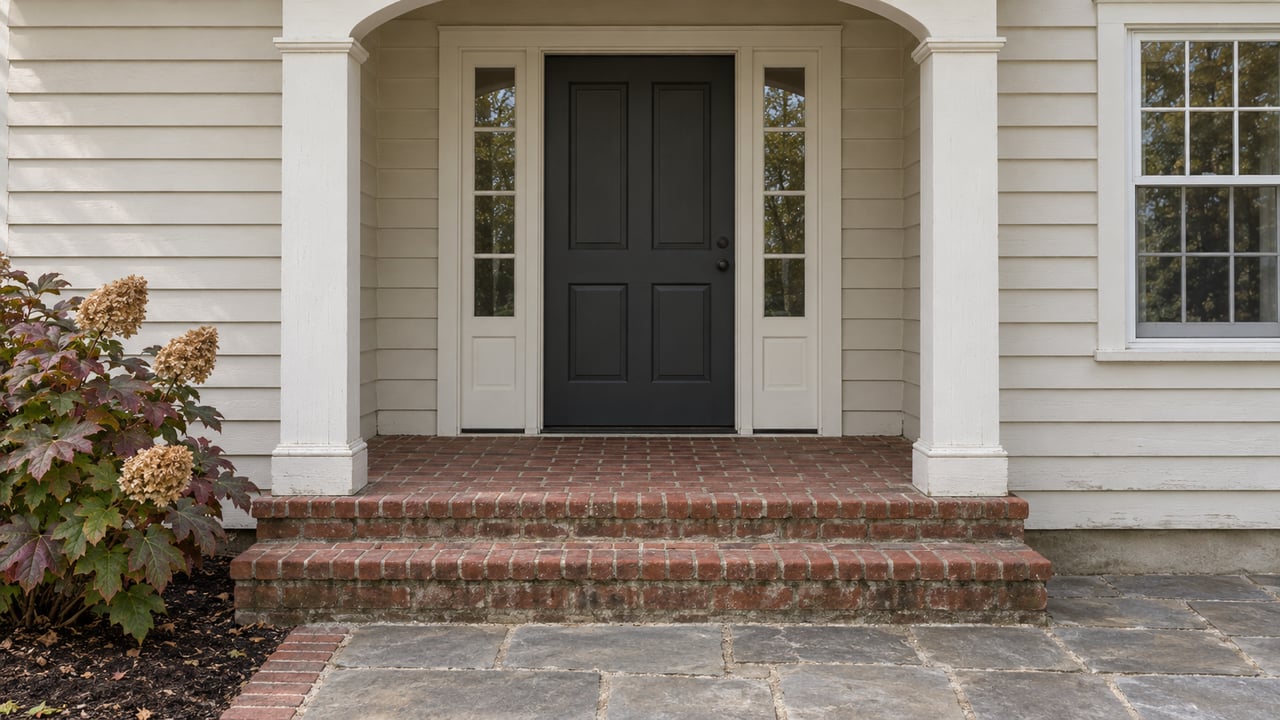
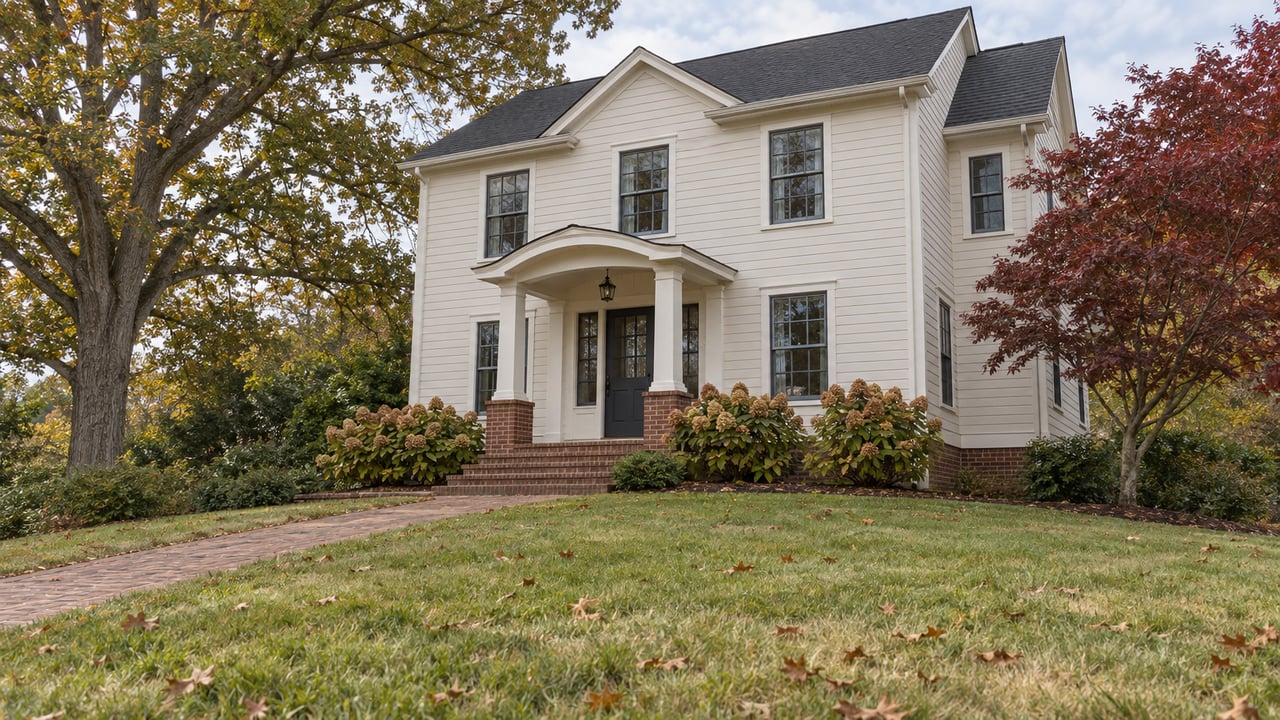
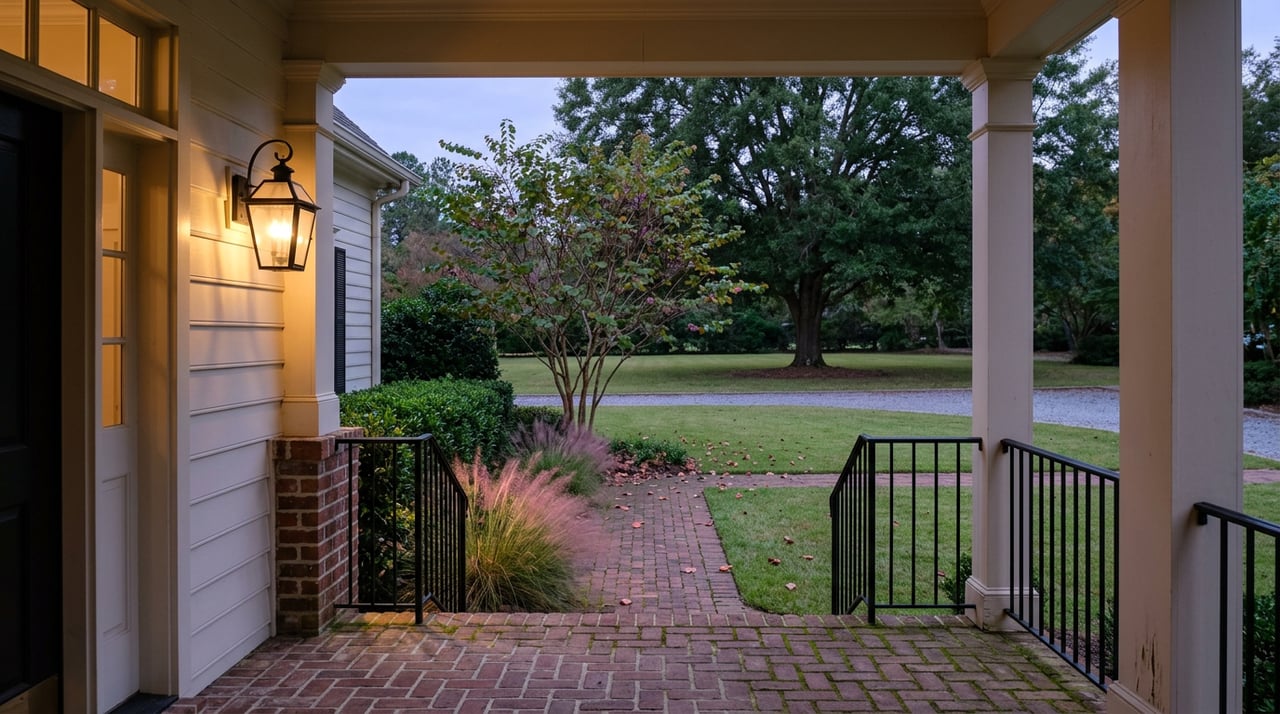
Grandin Court was built out between the 1920s and the 1960s, and the housing stock reflects that steady, unhurried development. You'll find American Foursquares with concrete steps climbing to the porch, Tudor cottages behind white picket fences on roughly 10,000-square-foot lots, red-brick ranches with carports, and Colonial Revivals with mature oaks out front. The streets are hilly and lined with sidewalks, with Patrick Henry High School just off Grandin Road and Grandin Court Elementary on Spessard Avenue. The one exception to the neighborhood's walkability is Brambleton Avenue itself, which doesn't have sidewalks, so the rest of the street grid and the greenway carry the foot traffic.
That greenway is the Murray Run Greenway, a two-mile gravel path that ties together Shrine Hill Park, Woodlawn Park, and Fishburn Park, and runs past James Madison Middle School and Virginia Western Community College. It's the connective tissue that makes a neighborhood without sidewalks on its main commercial street still function as a walkable place. Grandin Court Elementary sits on an 11-acre wooded lot along the same corridor.
Raleigh Court's stock skews toward the same architectural language, century-old Foursquares, mid-20th-century ranches, Cape Cods, but the individual houses run bigger, and more of them have gone through full remodels rather than incremental updates. That's the mechanical difference. It isn't a nicer walk to the Village. It's more finished square footage per lot, which pushes the ceiling on what a buyer will pay for the same 10-minute walk to the same coffee shop.
The Businesses That Actually Define Grandin Court
Grandin Court's identity runs through Brambleton Avenue, and the businesses there have been there long enough to count as landmarks rather than storefronts. The Coffee Pot has operated as a roadhouse and live music venue since 1936, topped by a red stucco kettle, with a performer history that includes Willie Nelson and Dickey Betts. Deb's Frozen Lemonade has been serving citrus slushies and soft pretzels from the same bright yellow storefront since 1977. Gladheart Wine & Brews stocks locally sourced coffee alongside its bottles, and B & D deals in vintage comics and collectible toys. Grandin Court Baptist Church's white steeple has stood on Brambleton since 1945.
None of that is competing with Grandin Village's restaurant row. It's a separate, older commercial strip that gives Grandin Court its own center of gravity, distinct from the neighborhood next door even though the two share a park and a greenway.
Reading the Roanoke Backdrop
Both neighborhoods sit inside a citywide market that's been cooling on a price-per-square-foot basis even as competition stays tight. Over the three months ending May 2026, Roanoke's median sale price ran $237,000, down 1.1 percent year over year, with a median of $131 a square foot, down nearly 14 percent from the prior year. Homes were taking a median of 24 days to sell, up from 17 days the year before, but the market overall has still been running hot enough that a large share of listings sold above asking price through the spring.
Zoom out to Roanoke County, which includes many of the newer-build subdivisions further from the city core, and the median sale price over the three months ending June 2026 was $368,000, up 0.7 percent year over year, with homes moving in a median of just 16 days. Grandin Court and Raleigh Court both sit well under that county figure on the low end, and Raleigh Court's upper band pushes past it. That's a useful anchor point if you're cross-shopping city neighborhoods against county subdivisions: the older, walkable neighborhoods aren't automatically the more expensive option, and in Grandin Court's case they're often the more affordable one, even with a shorter commute to downtown.
What This Means If You're Comparing the Two
If you're deciding between these neighborhoods, the walk score isn't going to tell you much, because it's nearly identical either way. What will tell you something is the square footage on the listing sheet and how recently the kitchen and bathrooms were touched. A smaller, less-updated Grandin Court house at $280,000 and a larger, fully remodeled Raleigh Court house at $475,000 aren't really competing for the same buyer, even though they're both a five-minute walk from the same movie marquee. One is a starter home with room to build equity through your own updates. The other is a finished product you're paying to skip.
Buyers who assume the Village drives the price tend to overpay for proximity in Raleigh Court or underestimate what they're getting in Grandin Court. Sellers who understand the split can price more accurately from the start, whether that means leaning into a smaller Grandin Court home's move-in readiness and lot size, or highlighting a Raleigh Court remodel's finished square footage as the reason for the higher number.
If you're weighing a move into either neighborhood, or you're trying to price a listing in one against comparable sales in the other, it helps to walk both streets with someone who can point out which differences are cosmetic and which ones are structural. Mac Westland Real Estate Group can walk you through both blocks and help you figure out what you're actually paying for before you write an offer. Schedule a free consultation when you're ready to compare the two side by side.