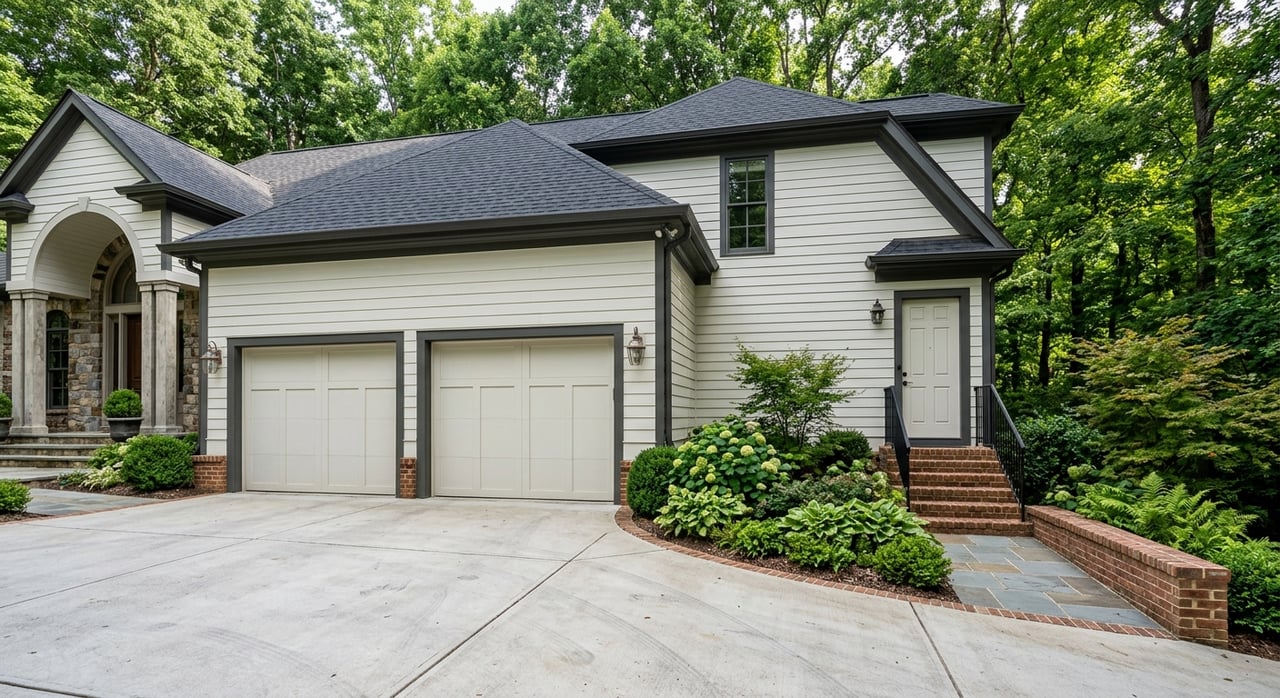
If you are thinking about living in Cave Spring, you probably want straight answers about the three things that shape daily life most: schools, commute, and housing. That is especially true if you are comparing Cave Spring with other Roanoke-area neighborhoods and trying to picture what your routine would actually feel like. This guide will help you understand how Cave Spring is laid out, what school and transportation patterns look like, and what kinds of homes you can expect to find. Let’s dive in.
Why buyers look at Cave Spring
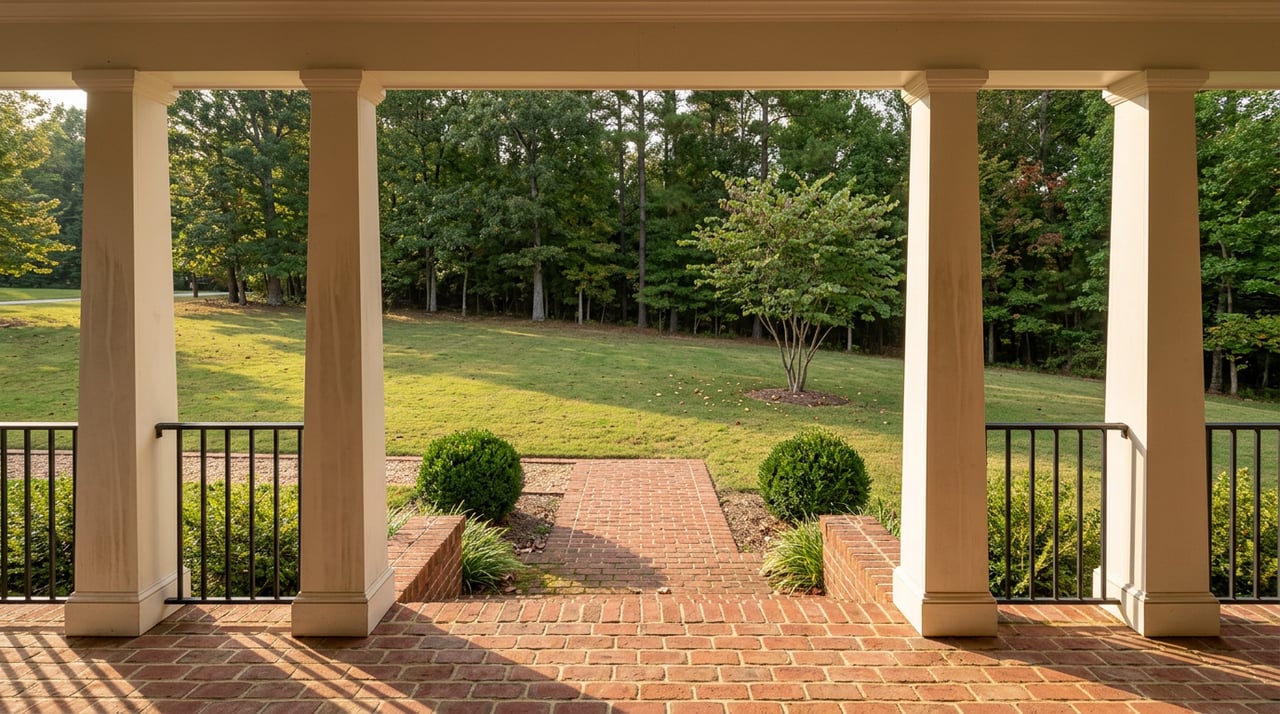
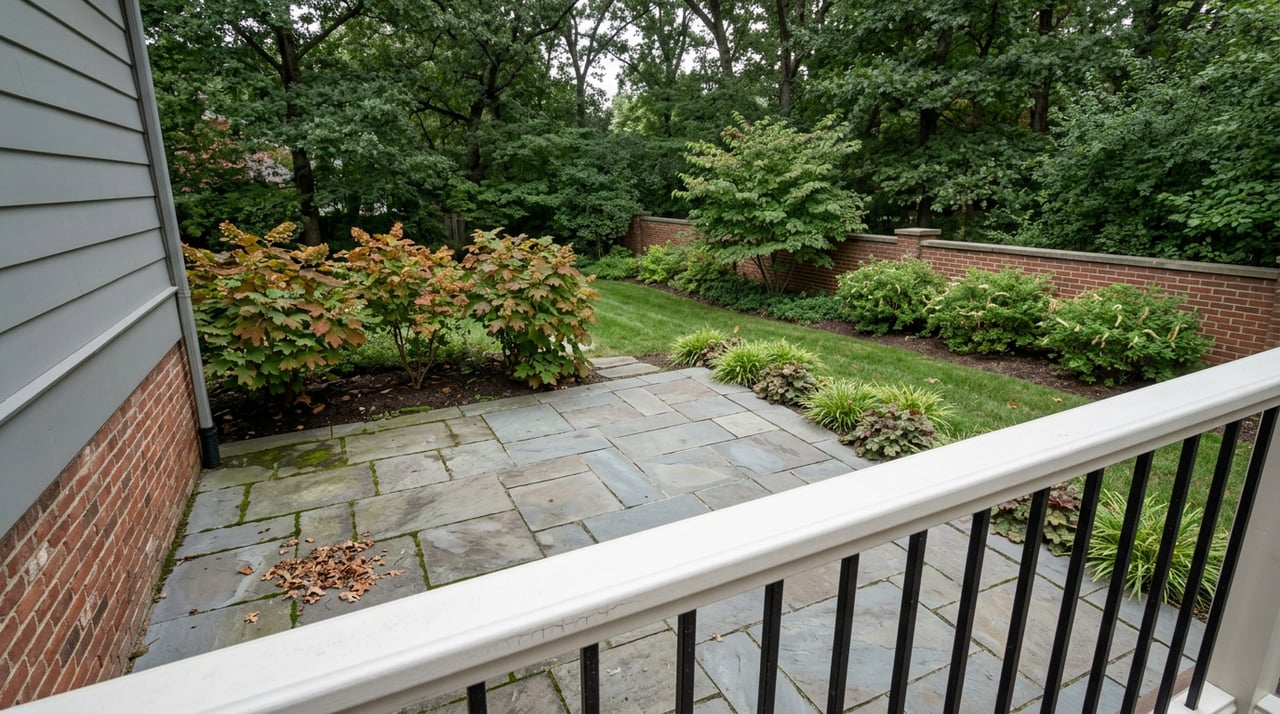
Cave Spring is a suburban part of southern Roanoke County with access to several of the area’s main roads. Roanoke County describes it as a suburban area with many single-family neighborhoods and some multi-family housing, which gives you a good starting point for what the area feels like on the ground.
For many buyers, that mix matters. You can find neighborhoods with a traditional suburban layout, but you also have some condo and townhome options that may fit a different budget or stage of life.
Cave Spring schools overview
If schools are high on your list, the biggest thing to know is that Cave Spring is served by more than one elementary, middle, and high school. Roanoke County planning documents identify Cave Spring Elementary, Green Valley Elementary, Penn Forest Elementary, Cave Spring Middle, Hidden Valley Middle, Cave Spring High, and Hidden Valley High as schools serving the area.
That means school assignment is not something you should guess based on a neighborhood name alone. If you are buying a home in Cave Spring, it is smart to verify school assignment by the property address before you make a final decision.
Schools serving Cave Spring
Here is the school set Roanoke County identifies for the area:
- Cave Spring Elementary
- Green Valley Elementary
- Penn Forest Elementary
- Cave Spring Middle
- Hidden Valley Middle
- Cave Spring High
- Hidden Valley High
Roanoke County’s planning snapshot also says these schools were under capacity at the time of the report. For buyers, that is a useful planning note, but address-level verification still matters because boundaries can affect which school serves a specific home.
What this means for homebuyers
If you are moving to Cave Spring because of school access, focus on the exact address, not just the ZIP code or subdivision name. Two homes that seem close together can sometimes fall into different assignment patterns.
A good home search strategy is to narrow your preferred housing type and budget first, then confirm the school assignment on each property as you go. That helps you avoid falling in love with a home that does not match your practical needs.
Cave Spring commute and transportation
Cave Spring is primarily a car-oriented suburb, and the road network plays a big role in daily convenience. The main commute corridors are Route 419, also known as Electric Road, Route 220, also known as Franklin Road, and Route 221, also known as Brambleton Avenue.
These roads connect Cave Spring to shopping, services, and other parts of the Roanoke area. If you are planning your work commute, school drop-offs, or regular errands, these are the names you will want to know.
Main roads in Cave Spring
Roanoke County reports high traffic volumes on the area’s major corridors:
- Route 419 carries more than 40,000 trips per day between Route 220 and Starkey Road
- Route 220 carries more than 32,000 trips per day between Route 419 and the Blue Ridge Parkway
- Route 221 carries more than 20,000 trips per day between Route 419 and Arlington Hills Drive
Those numbers tell you something important. Cave Spring offers strong regional access, but busy roads are part of everyday life, especially around peak travel times.
Road improvements to know about
Roanoke County and VDOT are working on improvements at the Route 419 and Route 220 interchange, including the diverging diamond project. If you are buying with a long-term view, it is worth paying attention to that kind of infrastructure work because it can shape how traffic flows in the years ahead.
For some buyers, road access is a major plus in Cave Spring. For others, it is a reminder to test drive a neighborhood during the times of day you expect to be on the road most often.
Public transit in Cave Spring
While Cave Spring is mostly built around driving, transit is available in parts of the area through Valley Metro. Fixed-route service reaches Cave Spring with:
- Routes 51 and 56 to Tanglewood Mall
- Routes 52 and 55 to Third Street Station
- Stops along Route 419, Ogden Road, and Colonial Avenue
That does not make Cave Spring a transit-first location, but it does give you a usable backup option in some areas. If public transportation matters to your daily routine, you will want to check how close a specific property is to those corridors and stops.
Cave Spring housing market and home types
Cave Spring’s housing stock leans heavily toward single-family homes. Roanoke County describes the area as being dominated by single-family residential land, with a smaller multi-family share, and Census Bureau data shows a 69.5% owner-occupied housing rate.
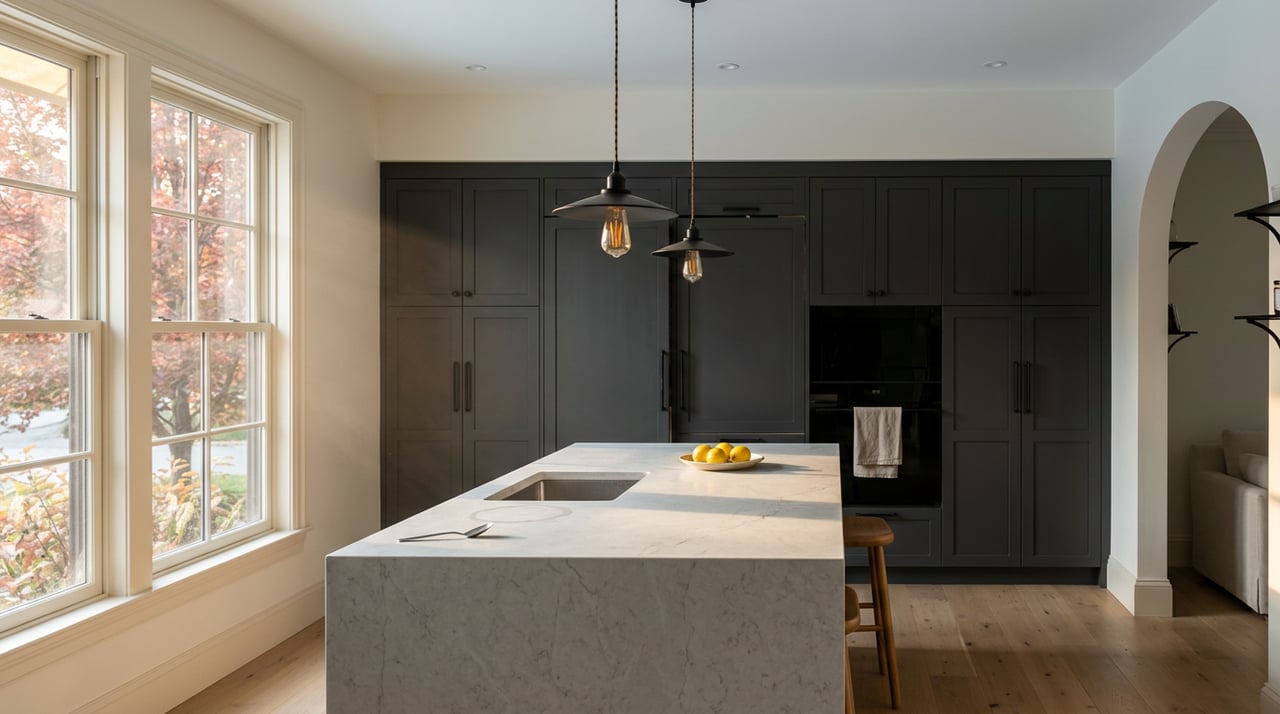
In practical terms, this is a market where detached homes make up much of what buyers picture first. At the same time, condos and townhomes do exist, which can open the door for buyers looking for lower-maintenance options or a lower price point.
Common home styles
Recent listing and sales examples show a range of home types in Cave Spring, including:
- Ranch-style homes
- Split-foyer homes
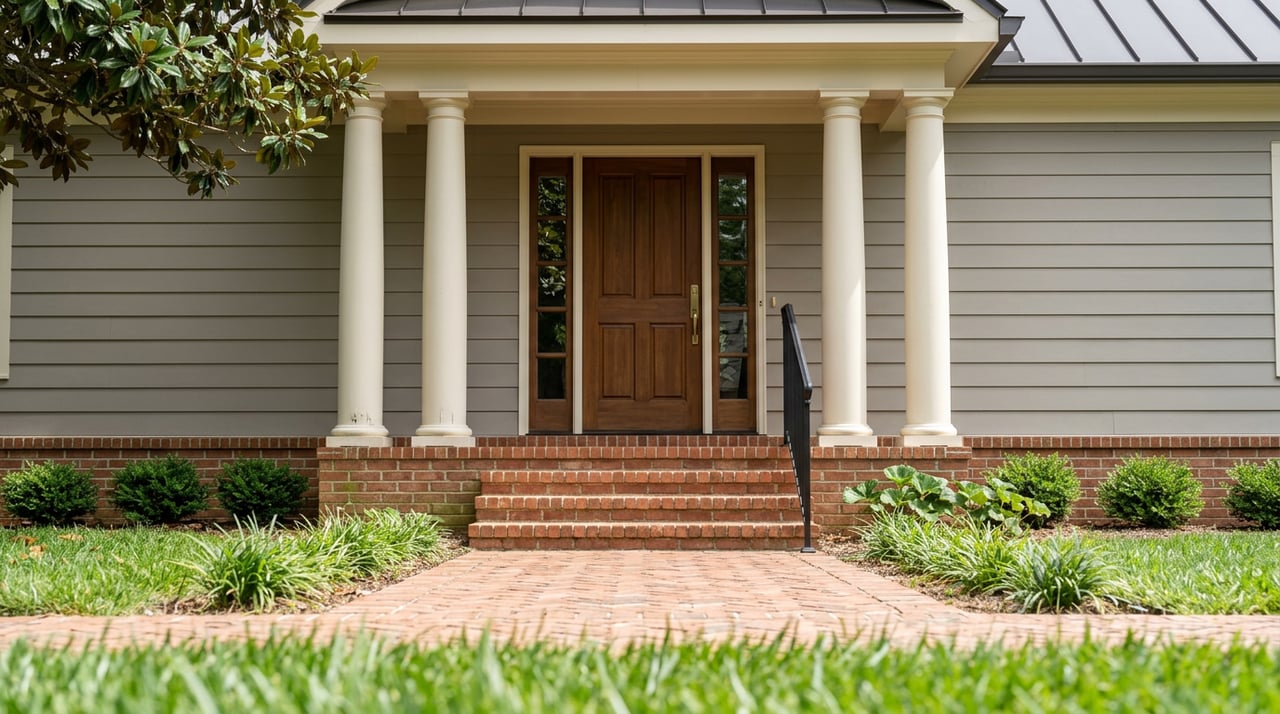
- Colonial-style homes
- Condos
- Townhomes
That mix gives buyers flexibility. You may find an older ranch with one-level living, a split-foyer with extra space, a larger colonial-style home, or a condo or townhome that offers easier upkeep.
Typical price range in Cave Spring
Current market measures place Cave Spring in the low-to-mid $300,000s as a general baseline. The research report notes a median sale price of about $314,950, a Zillow home value index of $353,394, and a Census Bureau median owner-occupied housing value of $325,800.
For buyers, the key takeaway is not that every home fits one number. It is that Cave Spring offers a fairly broad range, with condo and townhome options often below the area baseline and larger or more updated single-family homes moving higher.
How wide the price spread can be
Recent Redfin sales examples show homes ranging from the high $100,000s through the mid $700,000s. That is a wide spread, and it helps explain why two Cave Spring listings can feel very different even if they are in the same general area.
Price differences often come down to home size, updates, lot characteristics, and property type. If you are shopping here, it helps to compare homes by style and condition, not just by neighborhood name.
How fast homes are moving
Recent market snapshots show homes moving at a moderate pace. Redfin reports roughly 29 days on market, while Zillow shows about 33 days to pending.
That suggests Cave Spring can offer buyers enough time to make a thoughtful decision, but not so much time that you can assume a well-priced home will sit for weeks. If a property checks your boxes, preparation still matters.
What daily life may feel like
Cave Spring tends to appeal to buyers who want suburban housing patterns, practical road access, and a range of home options within the Roanoke area. It is not a one-size-fits-all market, but it does offer a useful blend of traditional neighborhoods, some multi-family choices, and connections to major corridors.
Your day-to-day experience will likely depend on where in Cave Spring you land. A home closer to the major roads may offer easier errands and commuting, while another part of the area may feel more tucked into a neighborhood setting.
Tips for buying in Cave Spring
If Cave Spring is on your shortlist, keep your search focused on the details that affect daily life most:
- Verify school assignment by property address
- Drive the route to work, school, or regular errands at realistic times
- Compare home types separately, such as ranches, split-foyers, condos, and townhomes
- Watch list price, condition, and days on market together
- Think about whether you want easier access to major roads or a quieter neighborhood setting
A local, property-by-property approach usually works best here. Cave Spring has enough variety that broad assumptions can cause you to miss a good fit or overestimate what a certain price point will buy.
If you want help comparing Cave Spring with nearby parts of Roanoke County, or you want guidance on which homes best fit your budget and daily routine, Mac Westland Real Estate Group is here to offer clear, local advice and hands-on support.
FAQs
What schools serve homes in Cave Spring, Roanoke?
- Roanoke County identifies Cave Spring Elementary, Green Valley Elementary, Penn Forest Elementary, Cave Spring Middle, Hidden Valley Middle, Cave Spring High, and Hidden Valley High as schools serving the area, but you should verify assignment by address.
What is the commute like from Cave Spring, VA?
- Cave Spring is primarily car-oriented, with major access through Route 419, Route 220, and Route 221, and those roads carry some of the area’s highest traffic volumes.
Is there public transportation in Cave Spring?
- Yes. Valley Metro fixed-route service reaches the area, including routes 51 and 56 to Tanglewood Mall, routes 52 and 55 to Third Street Station, and stops along Route 419, Ogden Road, and Colonial Avenue.
What kinds of homes are common in Cave Spring?
- Buyers can find ranch-style homes, split-foyer homes, colonial-style homes, condos, and townhomes, with single-family housing making up much of the area.
What is the typical home price in Cave Spring?
- Current market measures support a general baseline in the low-to-mid $300,000s, though actual prices can range from the high $100,000s to the mid $700,000s depending on the property.
How fast are homes selling in Cave Spring?
- Recent market snapshots show homes moving in about 29 to 33 days, which suggests a moderate pace for buyers and sellers.